Reading Time:
6 min
Category:
IT Consulting
Technology decisions made in isolation tend to create problems later. Here's how a real IT roadmap avoids that.



Technology decisions made in isolation tend to create problems later. Here's how a real IT roadmap avoids that.
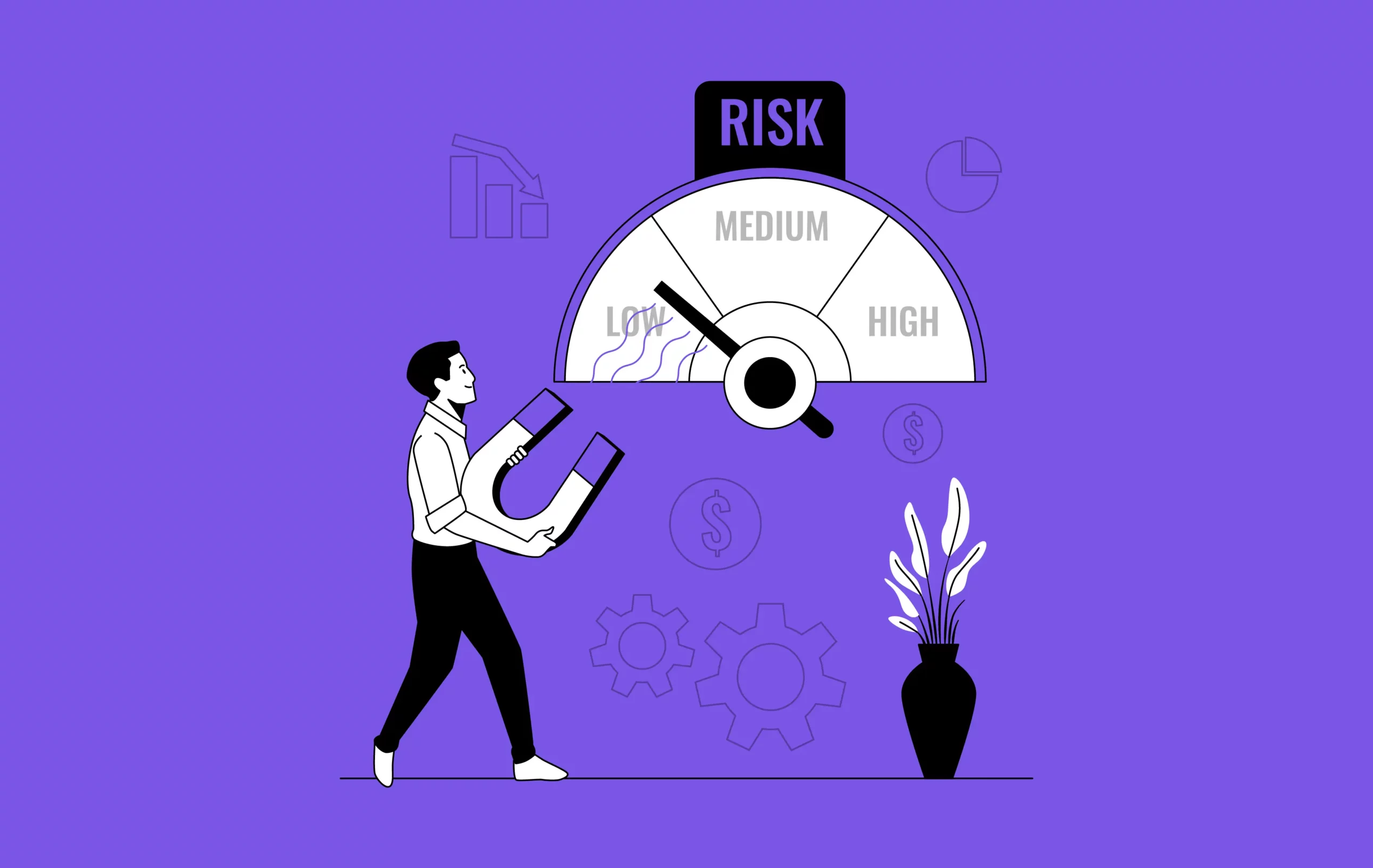
Technology decisions often get made one at a time, in response to whatever's urgent that week — a new hire needs a laptop, an app needs an upgrade, a client asks for a security certification. Each decision makes sense on its own, but without a bigger plan behind it, they can pull in different directions.
It's not enough to know you'll eventually need better backup infrastructure, a security audit, and a new phone system. Doing all three at once overwhelms a team and a budget. A good roadmap sequences the work so each step builds on the last, instead of competing for the same time and money.
The best IT roadmaps aren't written by IT in isolation — they're built around where the business is actually headed: planned hires, new locations, new services. Technology should support that direction, not get bolted on as an afterthought.
A roadmap won't prevent every surprise. But it turns most "emergency" IT spending into planned, budgeted decisions instead.